
Treatments · June 12, 2026 · 6 min · By Magnolia Tran
How do you treat a keloid after an ear piercing?
Ear piercings are the most common keloid trigger, and acting early is what saves the look of the ear.
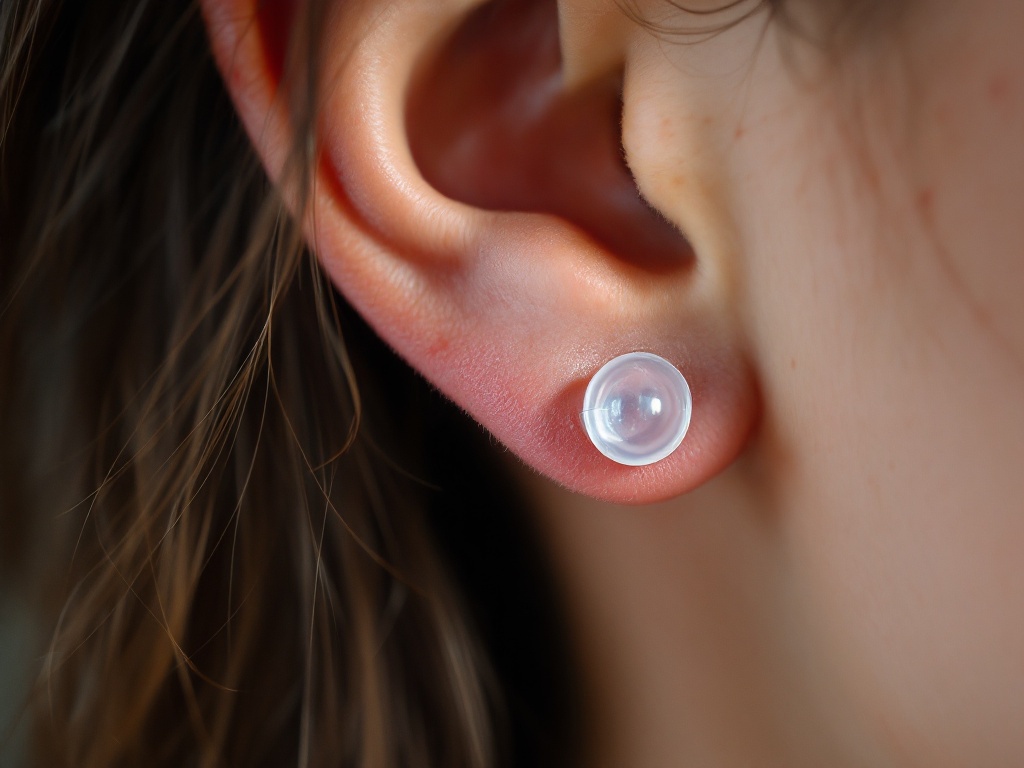
A keloid on a fresh ear piercing responds best to early, layered treatment: stop wearing the earring if your dermatologist advises it, start silicone and steady pressure right away, and get a steroid injection while the bump is still small. The earlobe is the single most common place keloids form, so a piercing that thickens, reddens, and keeps growing past the original hole is a keloid until proven otherwise.
The reason ears are such frequent culprits is simple: a piercing is a deliberate wound in skin that may be primed to overheal. Lobe piercings are the classic site, but cartilage piercings higher on the ear carry an even greater keloid risk. A family history of keloids and a deeper skin tone both raise the odds, and the bump usually shows up weeks to a few months after the piercing rather than immediately.
The first moves matter. Keep the area clean, and if a clinician recommends it, remove the jewelry so the wound is not continually irritated. Begin silicone gel or a silicone sheet on the closed skin, and for a lobe keloid a compression or pressure earring that applies constant, gentle pressure is one of the most useful tools you can add at home.
Medical treatment is where real shrinkage happens. Intralesional steroid injection is the mainstay and, given as a short series over several weeks, flattens most early piercing keloids. Stubborn ones may be combined with freezing or newer injectable agents. Surgery on its own has a high recurrence rate because the removal is a fresh wound, so when a keloid is cut out it should be paired with post-procedure pressure therapy and injections to keep it from returning.
Prevention deserves a mention too. If you are keloid-prone, think carefully before re-piercing the same ear or adding cartilage piercings, since each new piercing is another chance for a keloid to form. Some people with a strong history decide the risk is not worth it.
The bottom line is speed. A small, recent piercing keloid is a straightforward project, while one left to grow for a year becomes a much harder one. If a piercing bump is enlarging, firm, or spreading, treat it as a keloid and see a dermatologist rather than waiting to see if it settles.