
What Works · May 15, 2026 · 5 min · By Octavia Sarpong
When a scar is worth a dermatologist visit
The warning signs that a scar is becoming a keloid.
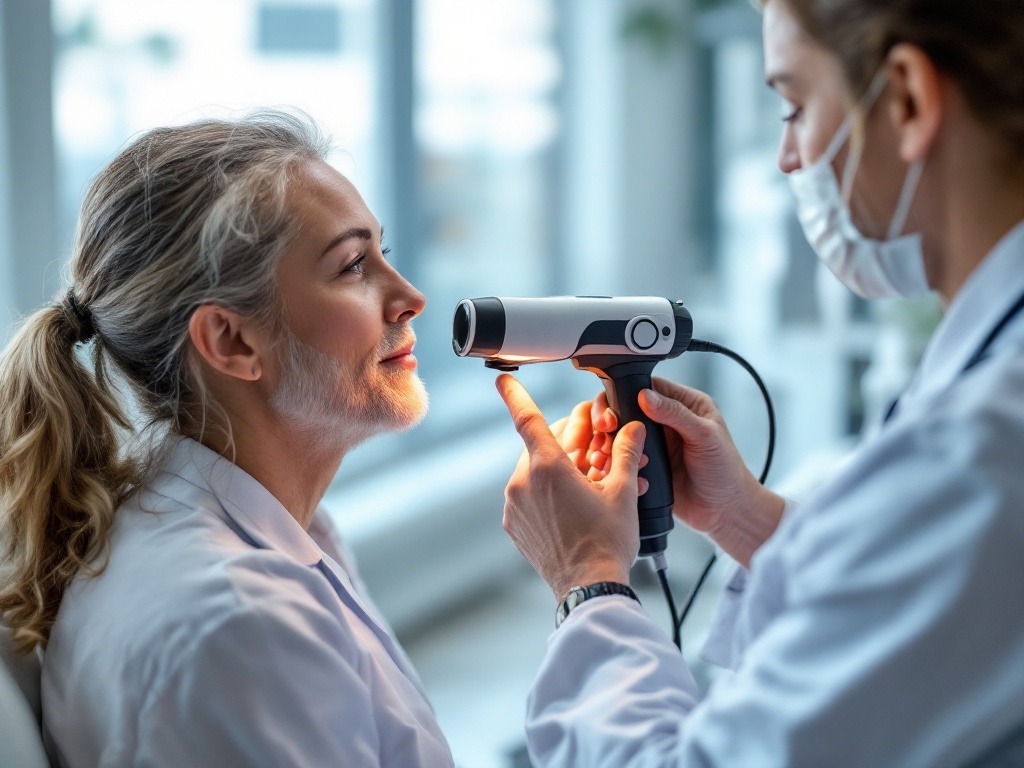
Not every raised scar is a keloid, and not every scar needs a doctor, but certain signs mean a scar is heading toward keloid territory, and catching it early changes everything.
Watch for a scar that keeps growing weeks or months after the wound healed, one that spreads beyond the original injury's borders, or one that becomes increasingly raised, firm, shiny, itchy, or tender rather than gradually flattening and fading as a normal scar does. Any of these, especially in someone with darker skin, a family history, or a prior keloid, warrants a dermatologist's look.
The reason timing matters is that early keloids are dramatically easier to control than established ones, a small, recent keloid responds well to injection and other measures, while a large, old one is a much harder project with higher recurrence. Waiting to see if it settles, which is the natural instinct, often forfeits the best treatment window. When in doubt about a scar that is not behaving like a scar should, an early visit is the low-cost, high-value move.
Related reading: Do over-the-counter scar creams work on keloids? and What a realistic keloid outcome looks like.
Further reading: Keloids, hypertrophic scars, and uterine fibroid development: a prospective ultrasound study of Black and African American women (F S Sci 2023); Assessment of the Combined Efficacy of Needling and the Use of Silicone Gel in the Treatment of C-Section and Other Surgical Hypertrophic Scars and Keloids (Adv Skin Wound Care 2016).