
Know Your Keloid · March 16, 2026 · 5 min · By Lucian Okoye
Keloids in teenagers and young adults
The most keloid-prone age, and why early, careful treatment pays off.
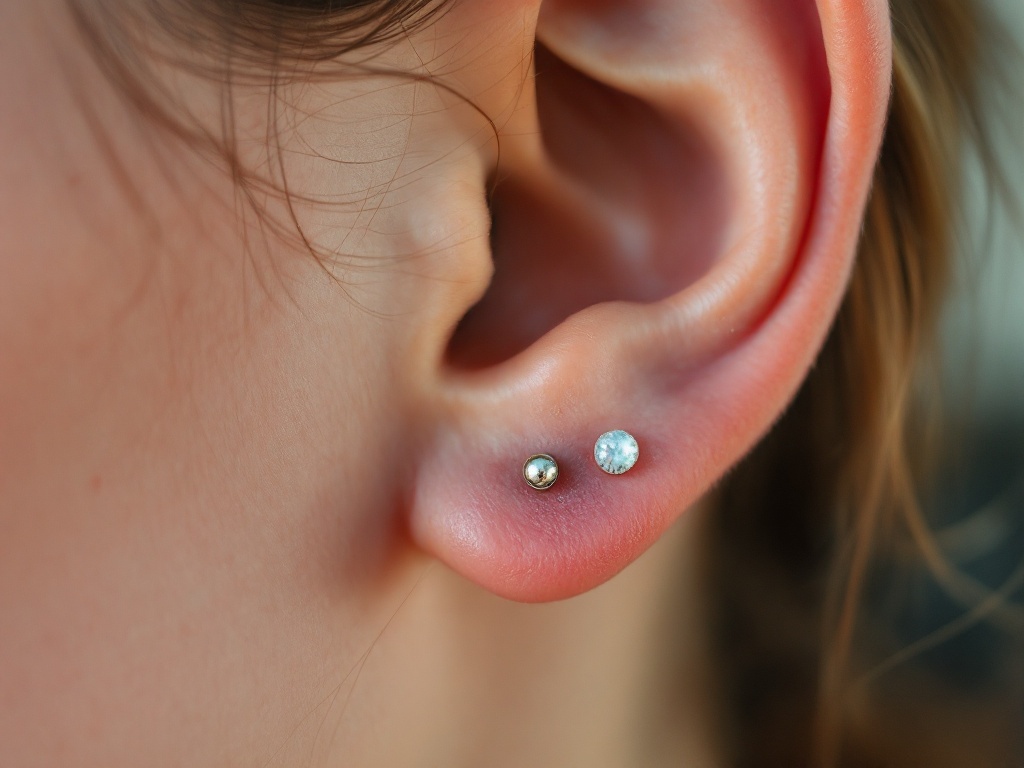
Keloids form most readily during the teens and twenties, which makes adolescence a critical window both for risk and for intervention. Piercings, acne, and minor injuries common at this age can all trigger keloids in predisposed young people.
The heightened risk has two implications. First, prevention is especially worthwhile: a teenager with a family history or a prior keloid should think carefully before additional piercings, and any acne, particularly on the chest, back, and jawline, deserves prompt treatment to avoid seeding keloids. Second, early treatment of a new keloid is far more effective than waiting; a small, fresh keloid responds better and faster than an established one that has had years to grow.
Parents and young patients sometimes hope a keloid will simply fade with age, but keloids do not reliably regress, and the prime years for forming new ones are exactly these. Seeing a dermatologist early, for prevention guidance and for prompt treatment of any thickening scar, is the move that prevents a manageable situation from becoming a difficult one later.
Related reading: Pressure therapy: the slow, effective keloid treatment.